April 2, 2026
Moving across town might seem like a simple logistical hurdle compared to a cross-country trek, but the complexity of transitioning your entire life from one address to another should never be underestimated. Whether you are moving a small studio apartment or a sprawling family estate, the success of your moving day hinges entirely on the competence of the professionals you hire. Selecting the right local movers is about more than just finding the lowest price; it is about finding a team that respects your timeline, your budget, and the physical safety of your belongings.
The moving industry is a massive engine of the economy, and its scope extends far beyond residential households. According to Wifitalents, commercial moves account for roughly 20% of total moving industry revenue. This highlights the high level of specialized equipment and logistical planning required in the field today. To ensure you aren't left with broken furniture or hidden fees, you must enter the hiring process armed with the right inquiries. Asking these specific questions will help you separate the true professionals from the amateurs who might put your property at risk.
Are You Fully Licensed and Insured for Local Transport?
This is the non-negotiable first step in vetting any local movers. Every legitimate moving company must carry specific licensing issued by the state or Department of Transportation. Insurance is equally critical; it protects you in the event that a heavy appliance is dropped or a box of fragile heirlooms is crushed. You should ask to see a certificate of insurance rather than just taking their word for it. Without proper coverage, you could be held liable for injuries that occur on your property or left with no recourse if your television is shattered during transit.
Watch out for companies that offer "valuation" but describe it as insurance. In many cases, basic valuation only covers a few cents per pound, which is nowhere near enough to replace a high-end laptop or a designer sofa. A professional company will be transparent about its liability levels and offer options for full-value protection. If a company hesitates to provide their license number or proof of workers' compensation, it is a clear sign that you should look elsewhere for your moving needs.
How Do You Calculate the Final Estimate for a Move?
Understanding how you are being charged is the best way to avoid "sticker shock" on moving day. Most local movers charge an hourly rate, but those rates can vary wildly based on the number of movers assigned to the job and the day of the week. You should ask whether the estimate is "binding" or "non-binding." A binding estimate is a legal agreement that the price will not change, whereas a non-binding estimate is a flexible figure that can increase if the job takes longer than expected or if you have more items than originally disclosed.
Be sure to ask if there are travel fees or "fuel surcharges" added to the hourly rate. Some companies start the clock the moment they leave their warehouse, while others start when they arrive at your door. Knowing exactly when the billing begins and ends allows you to budget accurately. If a company refuses to provide a written estimate after a visual or virtual walkthrough of your home, they are likely not following industry best practices and may add unexpected costs to your final bill.
What Specialized Equipment Do You Provide for Large Items?
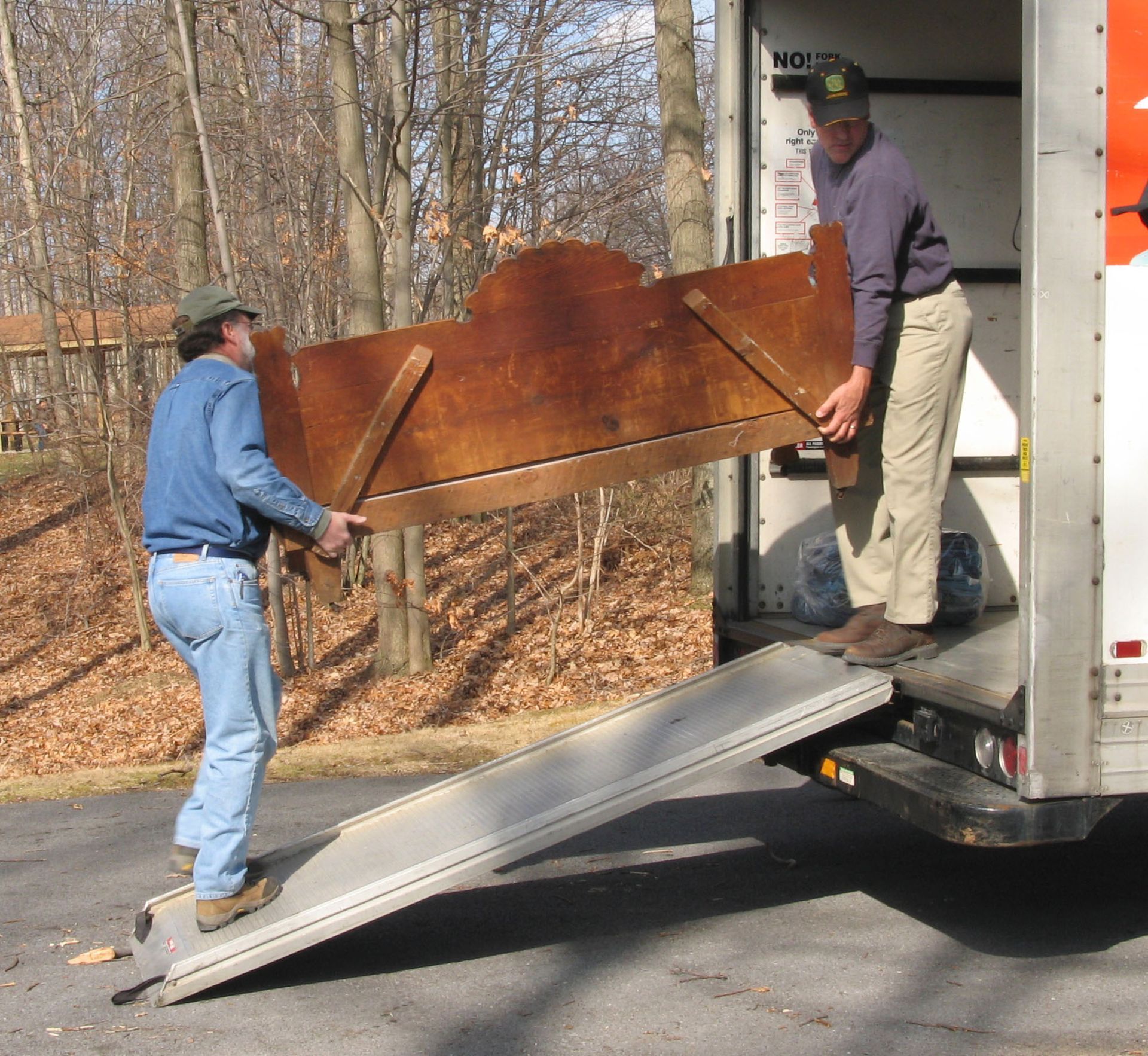
Not all moves are created equal. If you have a piano, a gun safe, an antique armoire, or a heavy pool table, you need to know that your local movers have the tools to handle them. Standard dollies and blankets are rarely enough for high-value or oversized items. Ask specifically about lift gates, custom crating, and floor protection. A professional team should arrive with moving pads, shrink wrap, and floor runners to prevent scuffs on your hardwood or snags in your carpet.
This question also helps you gauge the level of training the crew has received. Handling heavy machinery or delicate electronics requires more than just physical strength; it requires technique. If the company mentions they "figure it out on the fly," that is a major red flag. You want a team that has a pre-planned approach for tight stairwells and narrow doorways, ensuring that both your old home and your new one remain undamaged throughout the process.
Will My Move Be Subcontracted to Another Company?
This is a common pitfall in the moving industry. Some companies act as brokers, taking your deposit and then hiring a third-party crew to perform the actual labor. This creates a massive gap in accountability. You want to ensure that the people showing up at your door are actual employees of the company you hired, wearing the company uniform and driving a branded truck. Subcontractors may not be held to the same safety standards or background check requirements as the primary company’s staff.
When you hire local movers, you are trusting them with the keys to your life. Knowing that the crew is an in-house team means there is a direct line of communication if something goes wrong. It also ensures that the company’s reputation is truly on the line with every box they carry. If a company cannot guarantee that its own employees will be performing the work, you lose the peace of mind that comes with hiring a vetted professional service.
How Do You Handle Disputes or Damage Claims?
Even with the best local movers, accidents can happen. The mark of a great company isn't perfection, but how they respond when a mistake occurs. Ask about their formal process for filing a claim. How long do you have to report damage after the move is complete? Who is the point of contact for resolving issues? A company with a clear, written claims process demonstrates that they take their responsibility to the customer seriously and are prepared to make things right.
Watch out for companies that brush off this question or claim that "nothing ever breaks." A professional will explain the steps clearly and perhaps even provide you with the necessary forms upfront. This transparency builds trust. You should also check online reviews, specifically looking for how the company handled complaints. If customers report that the company went silent after a damage report was filed, it is a sign of poor customer service that you don't want to experience firsthand.
What Items Are You Prohibited From Moving?
Every moving company has a "prohibited items" list for safety and legal reasons. Generally, this includes hazardous materials like propane tanks, paint thinners, and ammunition. However, some local movers may also have restrictions on perishable food, houseplants, or high-value jewelry. Asking this question early prevents last-minute stress on moving day when you realize the truck can't take your half-full lawnmower or your collection of cleaning chemicals.
Knowing these restrictions allows you to plan your own "essentials car" for the move. You can set aside the things you need to transport yourself, ensuring that nothing is left behind on the curb. A company that provides a clear list of what they can and cannot move is showing a high level of organization. This prevents delays and ensures that the crew can stay focused on the heavy lifting rather than debating whether a specific item is safe to load onto the trailer.
At Good Guys Moving & Services, we believe that transparency is the foundation of every successful move. We take pride in our reputation as a trusted partner for families and businesses alike, offering clear pricing, professional equipment, and a team that treats your belongings as if they were our own. Our mission is to take the weight off your shoulders—literally and figuratively—by providing a moving experience that is defined by integrity and efficiency. If you are planning a move and want a team that values your peace of mind as much as you do, contact Good Guys Moving & Services today for a comprehensive estimate and let us show you how easy moving can be.